Aghion and Howitt’s Nobel-recognized theory of creative destruction offers a timely lens for today’s AI revolution, revealing how ethical adaptation, psychological resilience, and institutional renewal can turn disruption into sustainable, humane progress.
Google’s multibillion-dollar investment brings more than data centers to Virginia — it also unlocks new training programs and free AI tools designed to prepare workers for the jobs of tomorrow. Here’s what local employees, job seekers, and families should ...
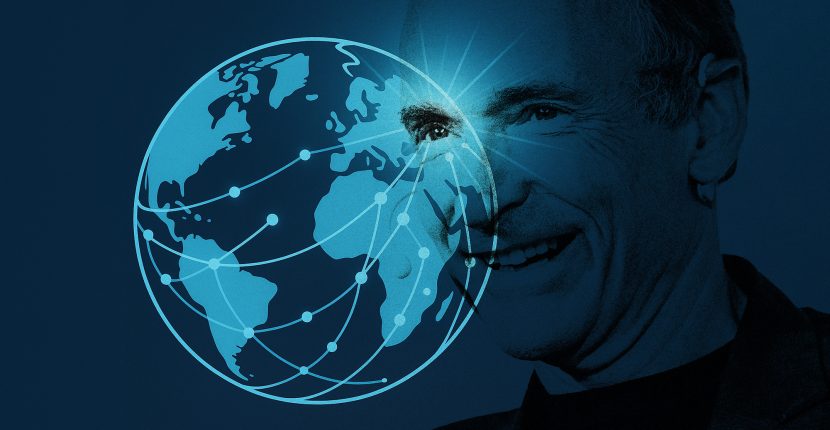
Berners-Lee argues that only a neutral, globally recognized body can prevent AI’s future from being dominated by corporate or national interests. In the current climate, his aspiration is easier said than done.
As AI systems become more embedded in daily life, the new AI policy in the US is redefining what “bias” means. The shift opens up new tensions in what was believed to be a settled question in the realm of technology, identity, and ethical values.